Lighting is the most underrated part of interior design. The same room can feel cold and flat under a single bright tube light, or warm and spacious with three well-placed layers of light.
This guide explains the basics in plain language and gives practical ideas for every room.
Warm, neutral or cool white?
| Light | Colour temperature | Feels | Use it for |
|---|---|---|---|
| Warm white | 2700–3000K | Cosy, relaxing, flattering | Living rooms, bedrooms, dining, pooja spaces |
| Neutral white | 3500–4000K | Clear and natural | Kitchens, bathrooms, study areas |
| Cool white | 5000–6500K | Bright, clinical | Utility areas, garages — rarely in living spaces |
The three layers of light
- Ambient — the general glow: cove lights, downlights, a ceiling fixture.
- Task — focused light where you work: under-cabinet kitchen lights, a desk lamp, a mirror light, reading lights.
- Accent — light that adds depth: lit niches, a washed feature wall, a pendant over the dining table, a backlit mandir.
Every room needs at least two layers, on separate switches, so you can change the mood between a busy morning and a quiet evening.
Common light fittings explained
- Cove lights — LED strips hidden in a false ceiling for a soft indirect glow.
- Downlights (COB or panel) — recessed spots; place them over furniture and work areas, not in a rigid grid.
- Profile lights — slim linear lines set into ceilings or walls; very contemporary.
- Track lights — adjustable spotlights on a rail, useful for art and display.
- Pendants and chandeliers — decorative focal points over dining tables and double-height spaces.
- Wall lights — soft light at eye level, ideal beside beds and in corridors.
Room-by-room ideas
Living room
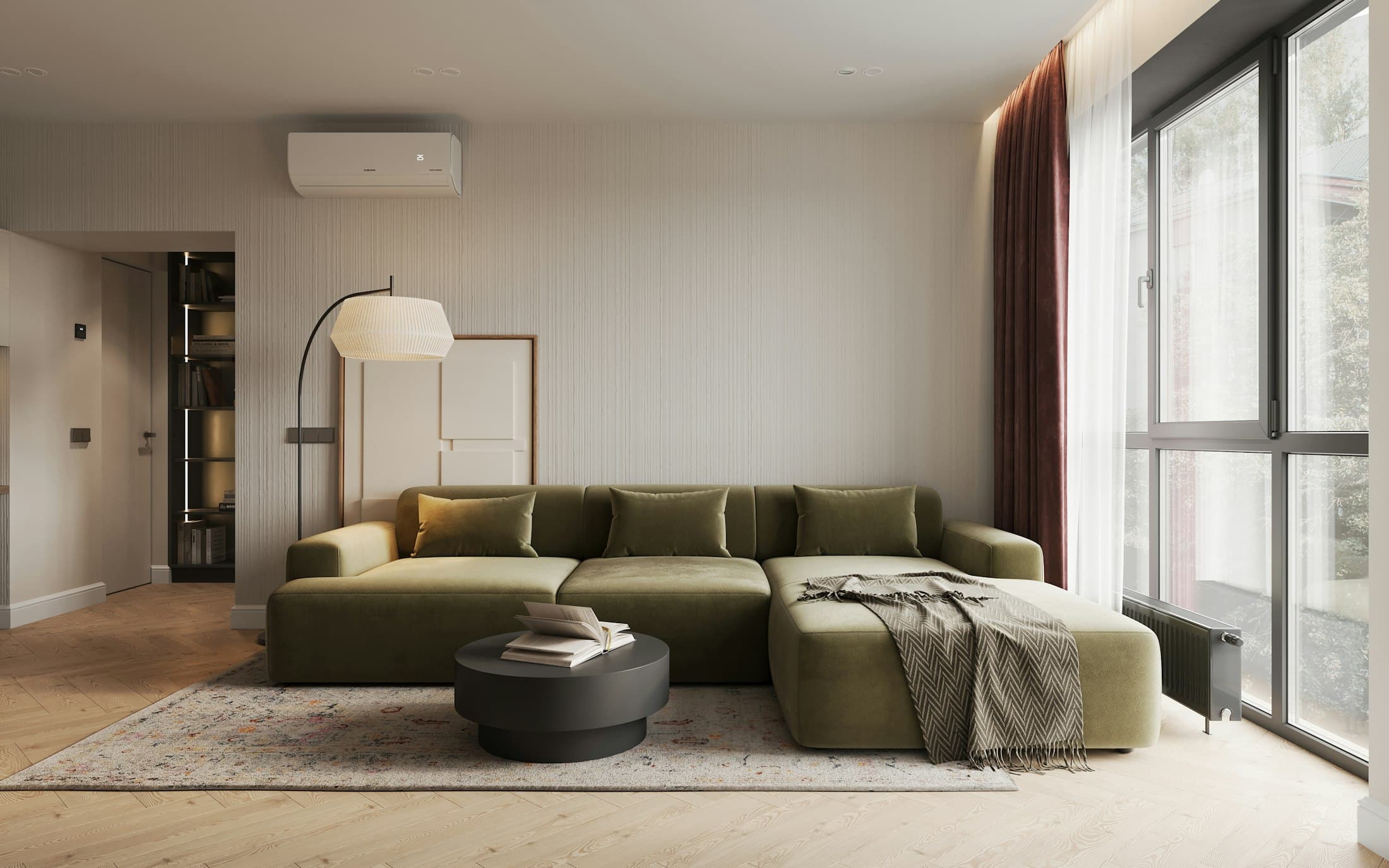
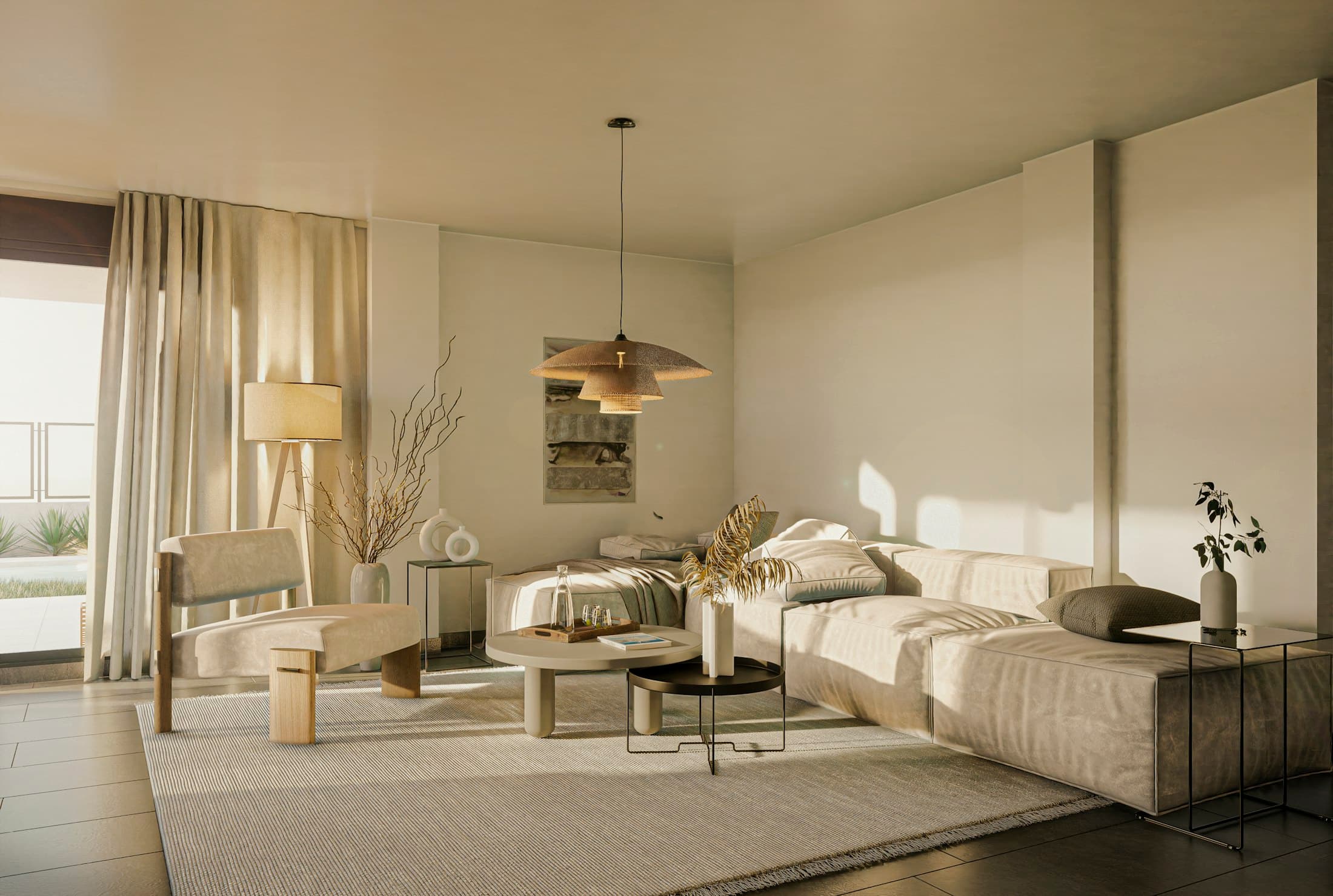
A warm cove for ambient light, a few downlights over seating, a washed TV wall and table or floor lamps for the evening. Put the main circuits on dimmers.
Kitchen
Neutral white ceiling light plus under-cabinet strips so the counter is never in shadow. Light inside tall units helps too. See modular kitchen ideas.
Bedrooms
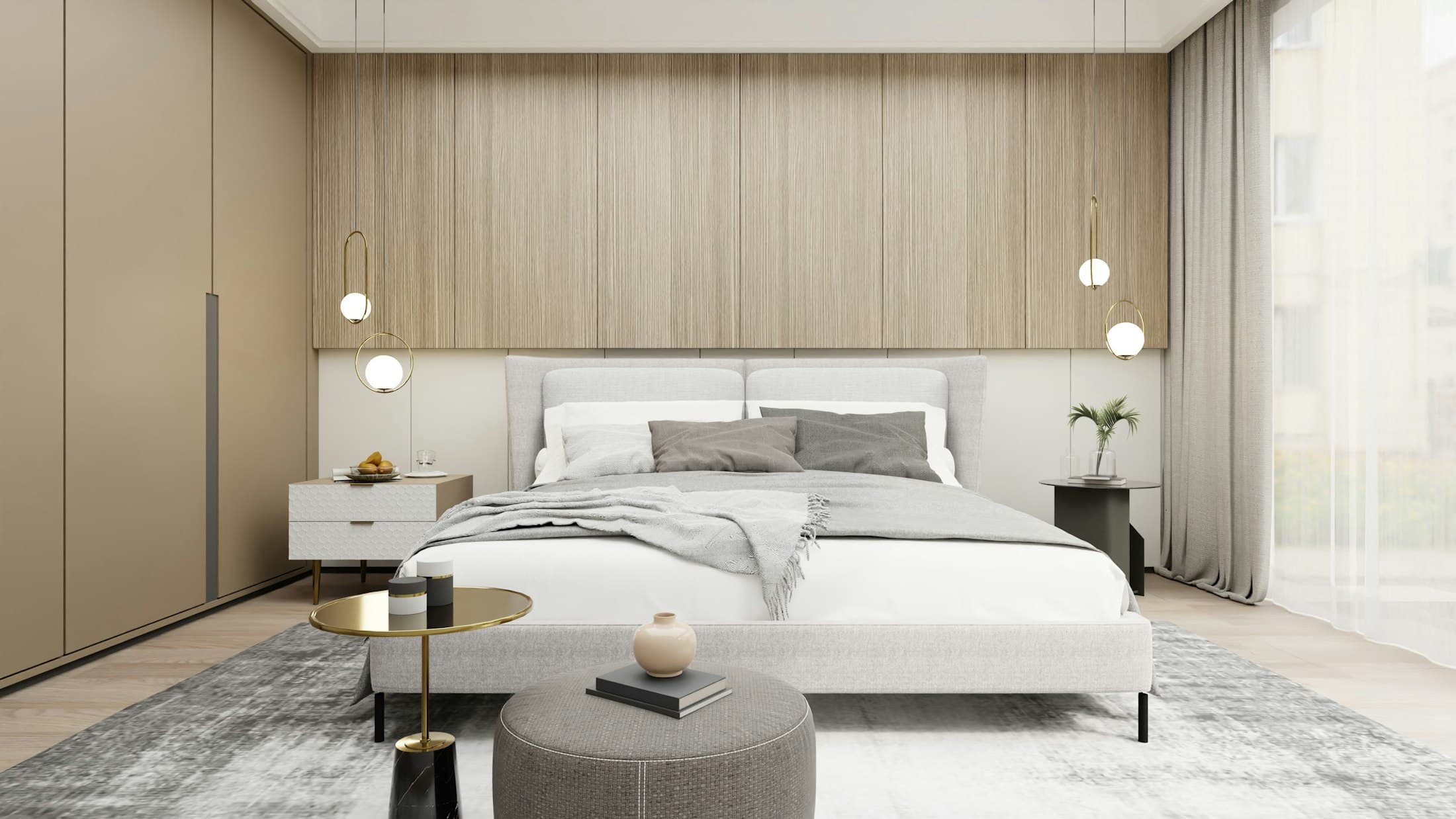
Warm, indirect light — a cove over the bed wall, wall or pendant lights at the bedside, and no downlights directly over the pillow. See our bedroom false ceiling designs.
Bathrooms, study and pooja
Even, shadow-free light at the bathroom mirror; a task lamp with side light at the study desk; and a warm backlight for the mandir.
Plan electrical points early
- Finalise light positions with the furniture layout, before the ceiling is framed.
- Use two-way switches at the bedroom door and the bed.
- Add sockets for lamps where sofas and beds will sit.
- Consider smart switches or dimmers for living and bedroom circuits.
- Choose LED drivers and strips from reputable brands — cheap drivers are the most common cause of flickering.
Lighting works hand in hand with colour — see our wall colour combinations — and we plan both together in every project. Book a consultation.