Paint is the quickest, most affordable way to change how a room feels — and the easiest to get wrong. A colour that looks perfect on a shade card can feel cold in a north-facing bedroom or overwhelming in a small living room.
Here are wall colour combinations that work in Indian homes, how to use them, and which paint finishes stand up to NCR’s dust and monsoon.
How to use two colours on walls
- Base and accent: paint three walls in a light base and one wall — usually behind the sofa, TV or bed — in a deeper accent.
- Light and lighter: two shades from the same family, for a calm, layered look.
- Wall and ceiling: a warm white ceiling with soft-coloured walls makes rooms feel taller.
- 60–30–10: about 60% base colour, 30% secondary (furniture, curtains) and 10% accent (cushions, art).
Living room combinations
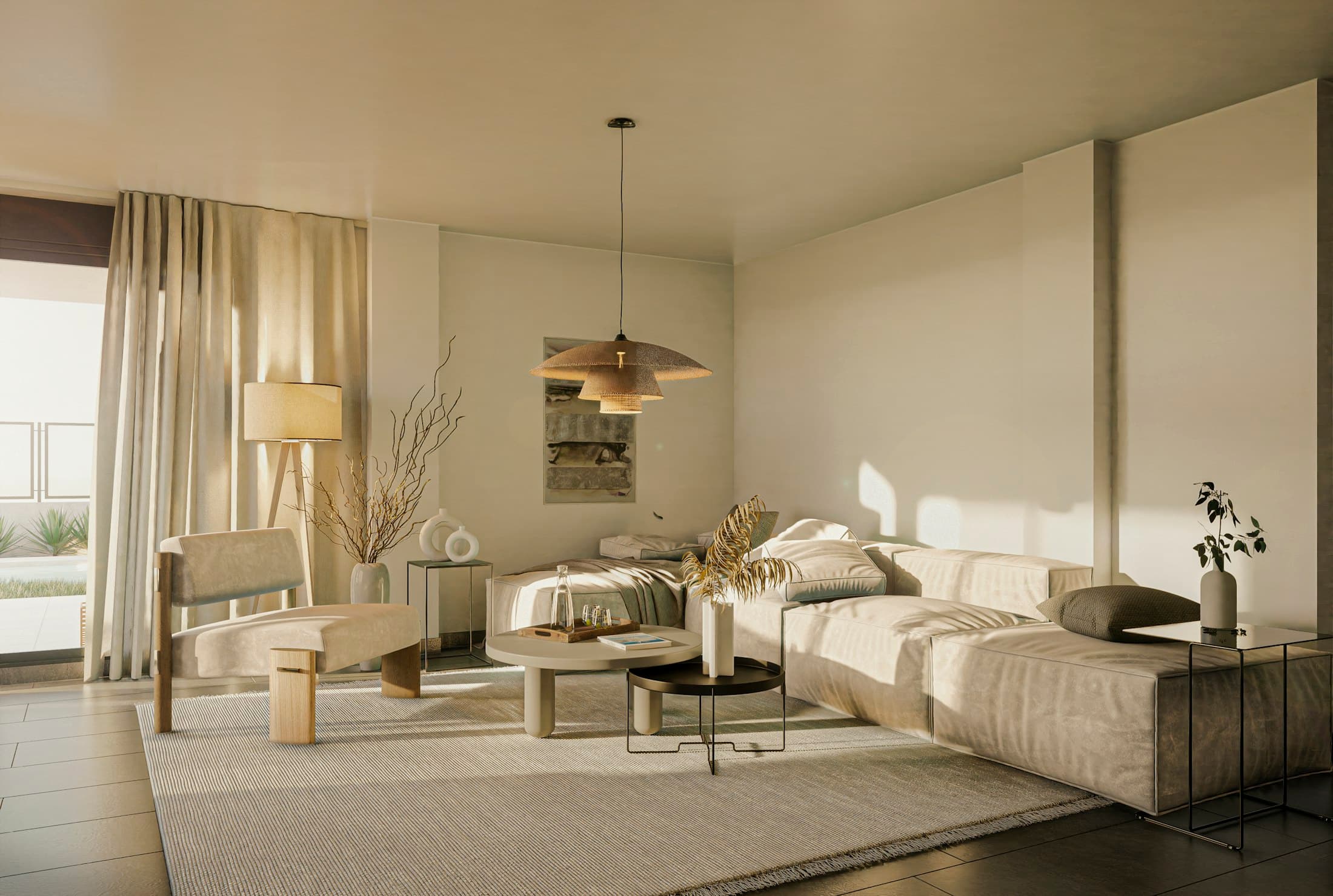
- Warm white with beige — timeless and bright; lets furniture and art stand out.
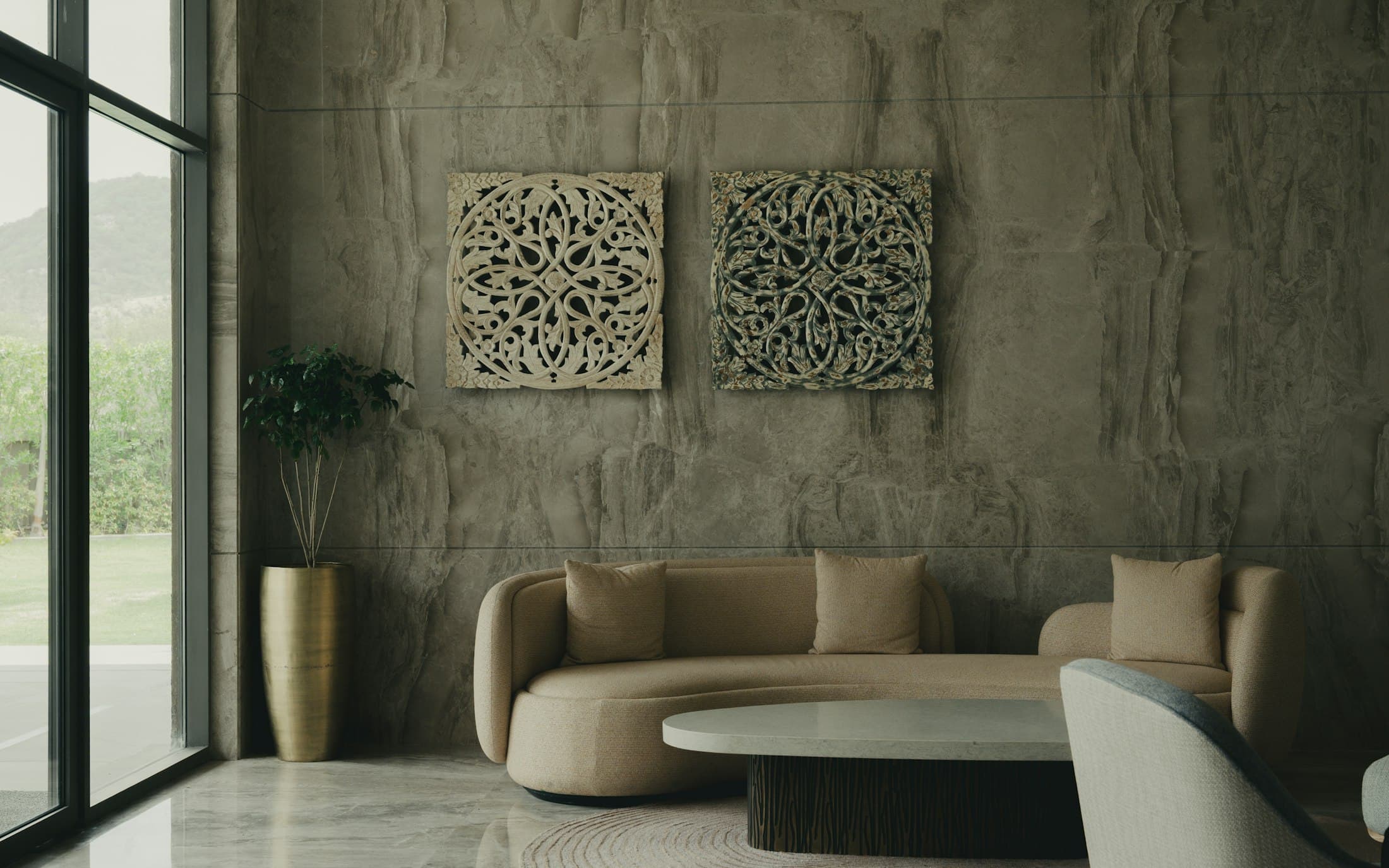
- Greige with terracotta accent — earthy and welcoming, lovely with wood and brass.
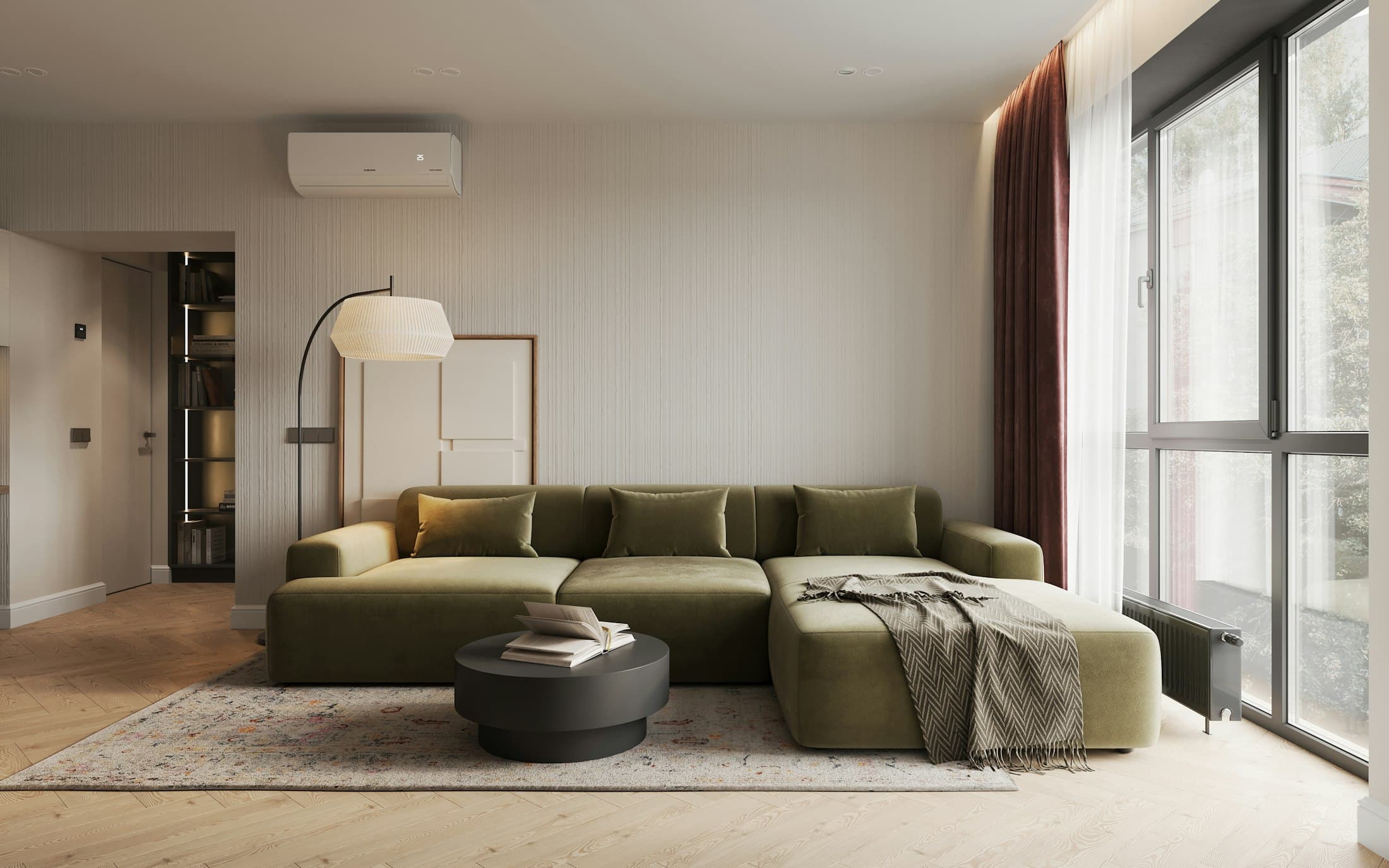
- Off-white with sage green — fresh and calm, and it pairs well with indoor plants.
- Cream with deep teal — a confident accent behind the sofa or TV unit.
- Light grey with mustard — modern, with a cheerful accent in cushions or one wall.
- Ivory with dusty rose — soft and elegant for contemporary homes.
Bedroom combinations
- Soft white with powder blue — restful and airy, good for warm, west-facing rooms.
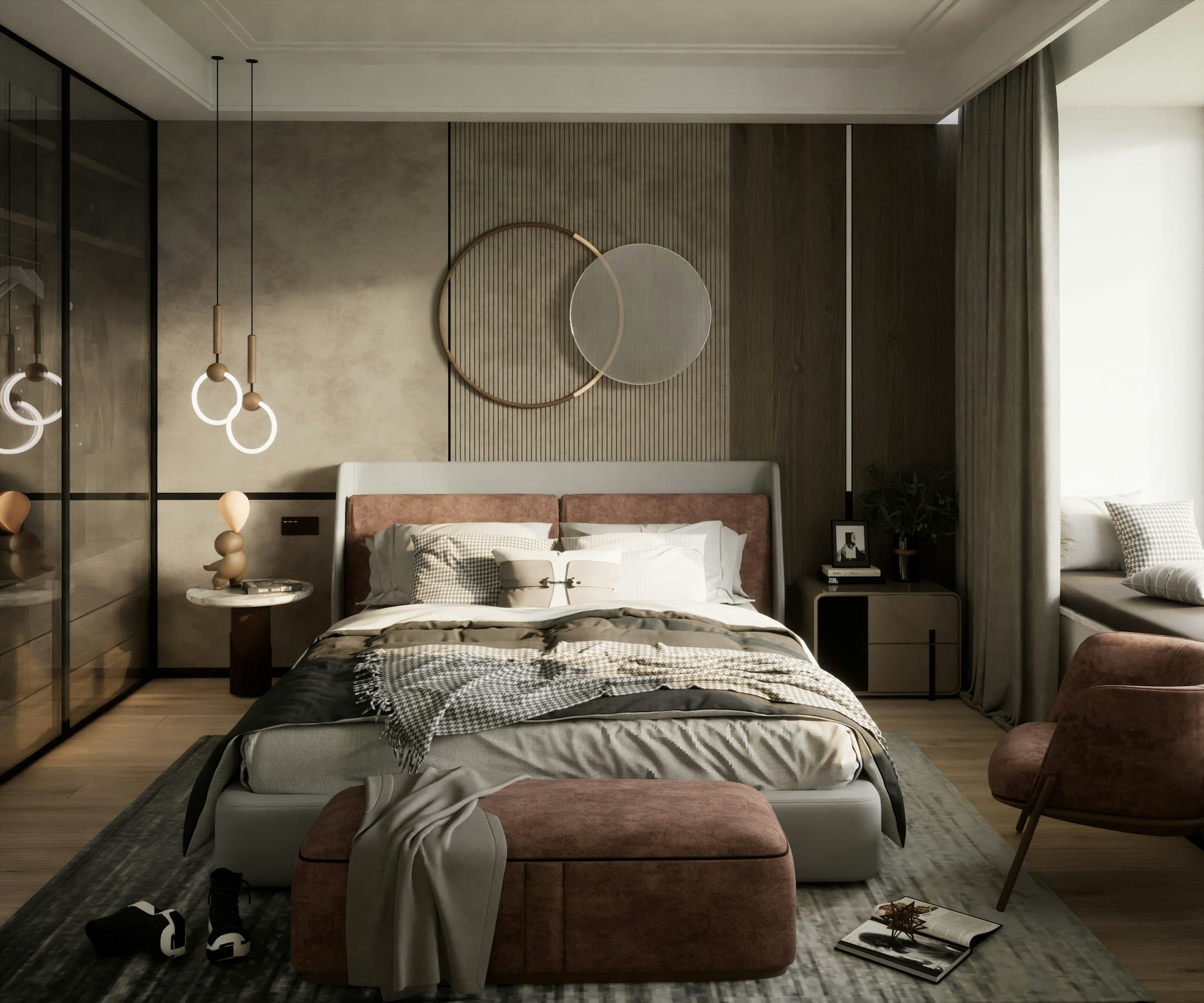
- Beige with olive green — grounded and cosy, with wood furniture.
- Light taupe with charcoal headboard wall — calm and a little dramatic for master bedrooms.
- Blush with warm grey — gentle and modern.
Coordinate the walls with the wardrobe — see our wardrobe colour combinations — and keep the headboard wall as the single accent.
Kids’ rooms and small spaces
- Kids’ rooms: a light base with one cheerful accent (mint, sky blue, sunshine yellow) that can be repainted as they grow — see our kids’ room guide.
- Small rooms: one light colour across walls and ceiling blurs the edges and makes the room feel bigger.
- Dark corridors: warm whites and soft yellows bounce light where daylight does not reach.
Light changes everything
North-facing rooms get cool, even light — choose warmer colours. South- and west-facing rooms get warm, strong light — cooler or muted tones keep them calm. Always test paint samples on two walls and look at them in the morning, afternoon and under your evening lights. Read our home lighting guide to plan the lighting alongside the colours.
Paint finishes that last in NCR
| Finish | Look | Best for |
|---|---|---|
| Matt | Flat, hides wall imperfections | Ceilings and bedrooms |
| Washable / low-sheen emulsion | Soft sheen; wipes clean | Living rooms, kids’ rooms, corridors |
| Satin / sheen | Gentle glow; very easy to clean | Kitchens and high-traffic areas |
| Texture or lime-wash effect | Depth and character | A single feature wall |
NCR’s dusty summers and humid monsoons favour washable emulsions; check external walls for dampness before painting, or the new paint will blister. For the bigger picture, see interior design styles or book a consultation.