Many families we work with want their home to follow Vastu Shastra, the traditional Indian system of architecture and spatial arrangement. Others simply want the home to feel balanced and calm. In apartments, where the layout is fixed by the builder, the interiors are where most of these choices are made.
This guide summarises commonly followed traditional Vastu guidance for each room, and how we apply it practically. It describes tradition, not guarantees — and it is always your choice how closely to follow it.
Main entrance
- Keep the entrance well lit, clean and free of clutter — a closed shoe cabinet helps.
- A sturdy, good-quality main door is traditionally preferred.
- Traditional guidance avoids placing a mirror directly facing the main door.
- A nameplate, toran or rangoli adds a welcoming touch.
Living room
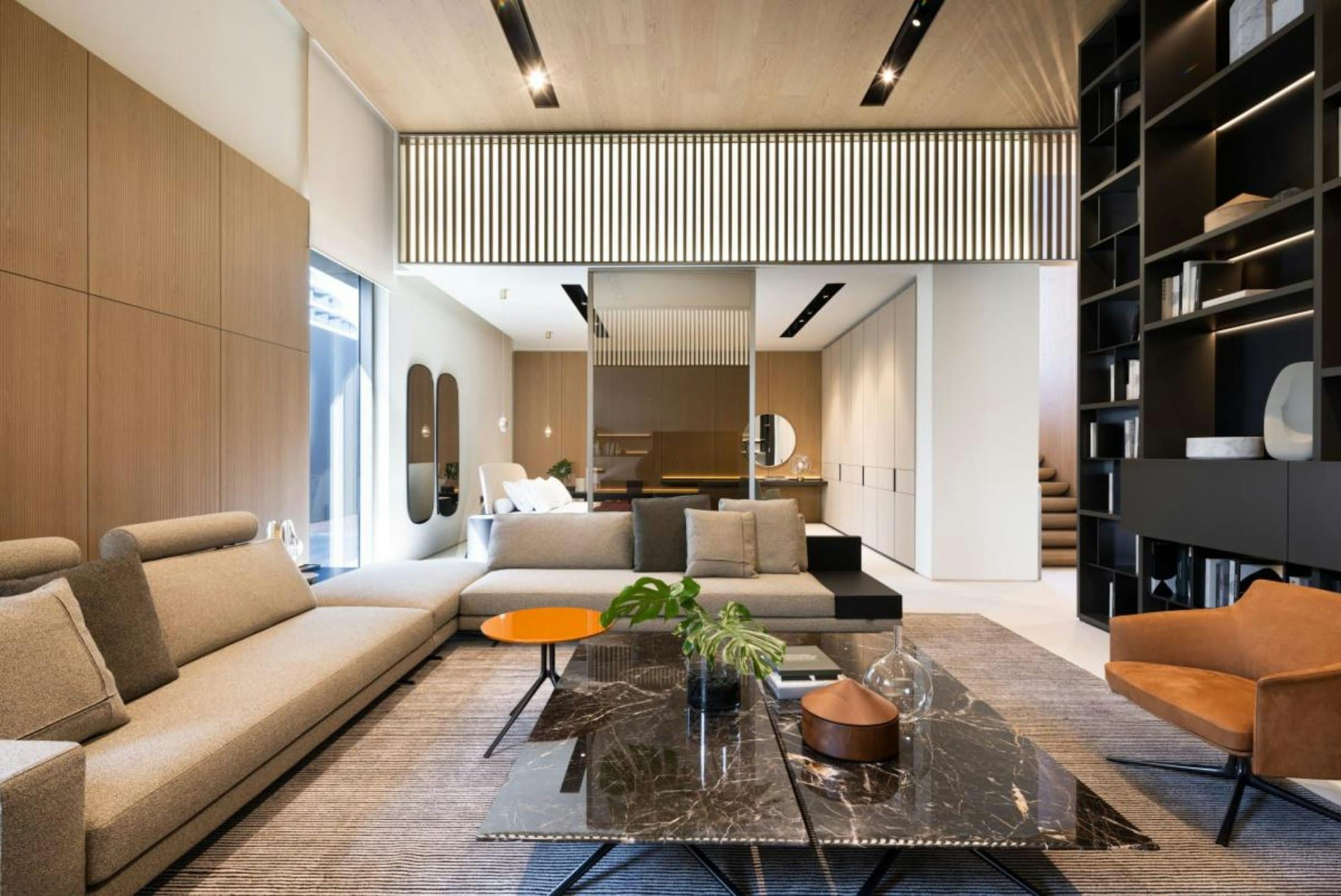
- Heavier furniture is traditionally placed along the south or west walls.
- Light, warm colours such as cream, beige and soft yellow are commonly preferred — see our wall colour combinations.
- Keep the centre of the room open and uncluttered.
More in our living room ideas.
Kitchen
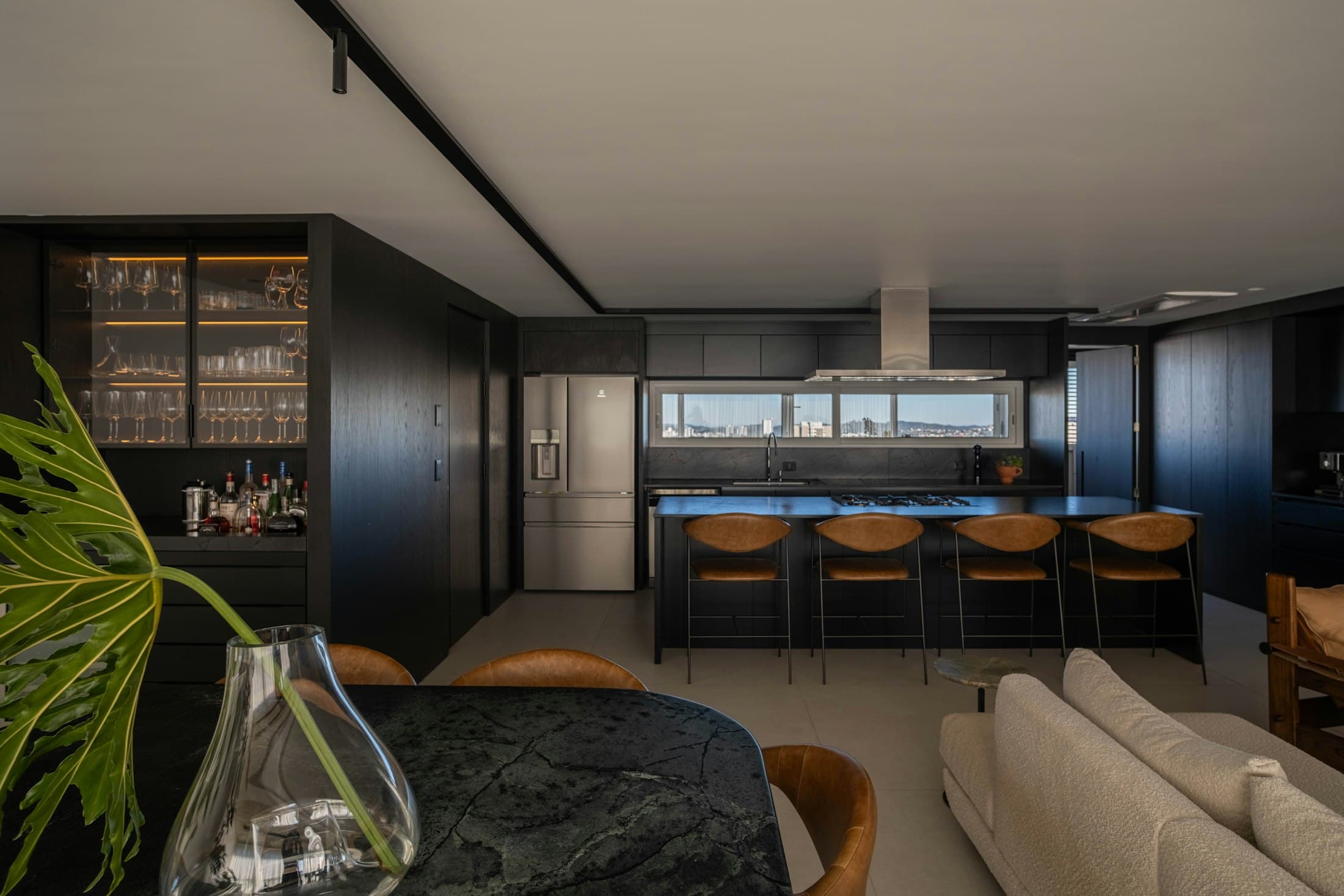
- The south-east is traditionally considered the ideal zone for the kitchen.
- Many families prefer to face east while cooking — this often guides where the hob is placed.
- The sink and the hob (water and fire) are traditionally kept apart rather than side by side.
- Warm colours are commonly preferred — see our kitchen colour combinations.
Bedrooms
- The south-west is traditionally preferred for the master bedroom.
- Sleeping with the head towards the south or east is commonly advised.
- Wardrobes are traditionally placed along the south or west walls.
- Mirrors directly facing the bed are traditionally avoided — a mirror inside the wardrobe shutter is a neat alternative.
See master bedroom ideas and our wardrobe design guide.
Pooja room
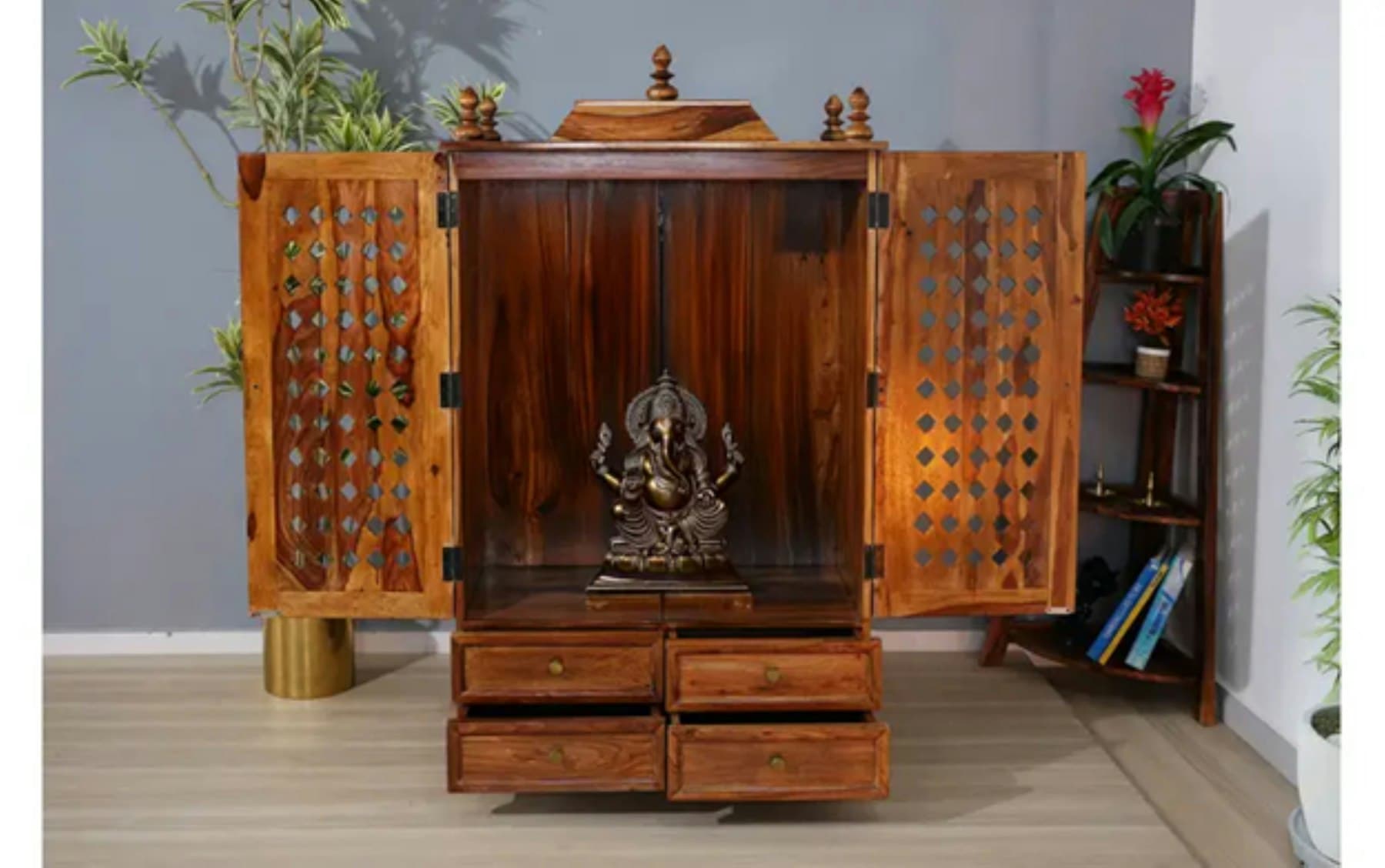
The north-east is traditionally the preferred direction for the mandir, facing east or north while praying, and away from bathroom walls. Our pooja room design guide covers placement, materials and lighting in detail.
Applying Vastu in an apartment
Most NCR apartments are not laid out to Vastu, and that is fine. Within a fixed plan you can still influence a lot: furniture placement, the position of the bed and the mandir, colours, lighting and clutter-free storage. We discuss your preferences at the first meeting and design around them. Book a consultation.